Our approach to biodiversity and nature-related impacts and risks

Our business is dependent on natural resources and healthy ecosystems, which are essential for people, the planet and business long-term resilience. Land, water and mitigating environmental impacts from pollution are key focus areas of our biodiversity work.
Neste aims to drive a positive impact on biodiversity in its operations and in its value chain. We are taking a proactive, comprehensive and a phased approach to biodiversity: Net Positive Impacts (NPI) from new activities We aim to generate a net positive impact on biodiversity for all new direct operations, with implementation of the NPI approach from 2025 onwards. No Net Loss (NNL) from all ongoing activities We aim at no net loss of biodiversity from our existing operations and plan to implement an approach to ensure this by 2035. Nature Positive Impact throughout our value chain by 2040 We continue to seek effective collaboration across our value chain to avoid impacts on biodiversity and create a positive impact on nature.
To achieve these goals, we apply the mitigation hierarchy to manage our biodiversity impacts in a structured, stepwise manner. Our efforts are concentrated on managing risks to biodiversity in key focus areas where our operation and sourcing activities can have the most significant impacts: land, water and pollution.
Understanding nature-related dependencies, impacts, risks and opportunities is an ongoing focus. These assessments inform our strategy and priority actions to address significant impacts and risks that are material to our business. We continuously strengthen our sustainability practices and environmental due diligence to manage nature-related issues effectively.
Systematic monitoring of the environment
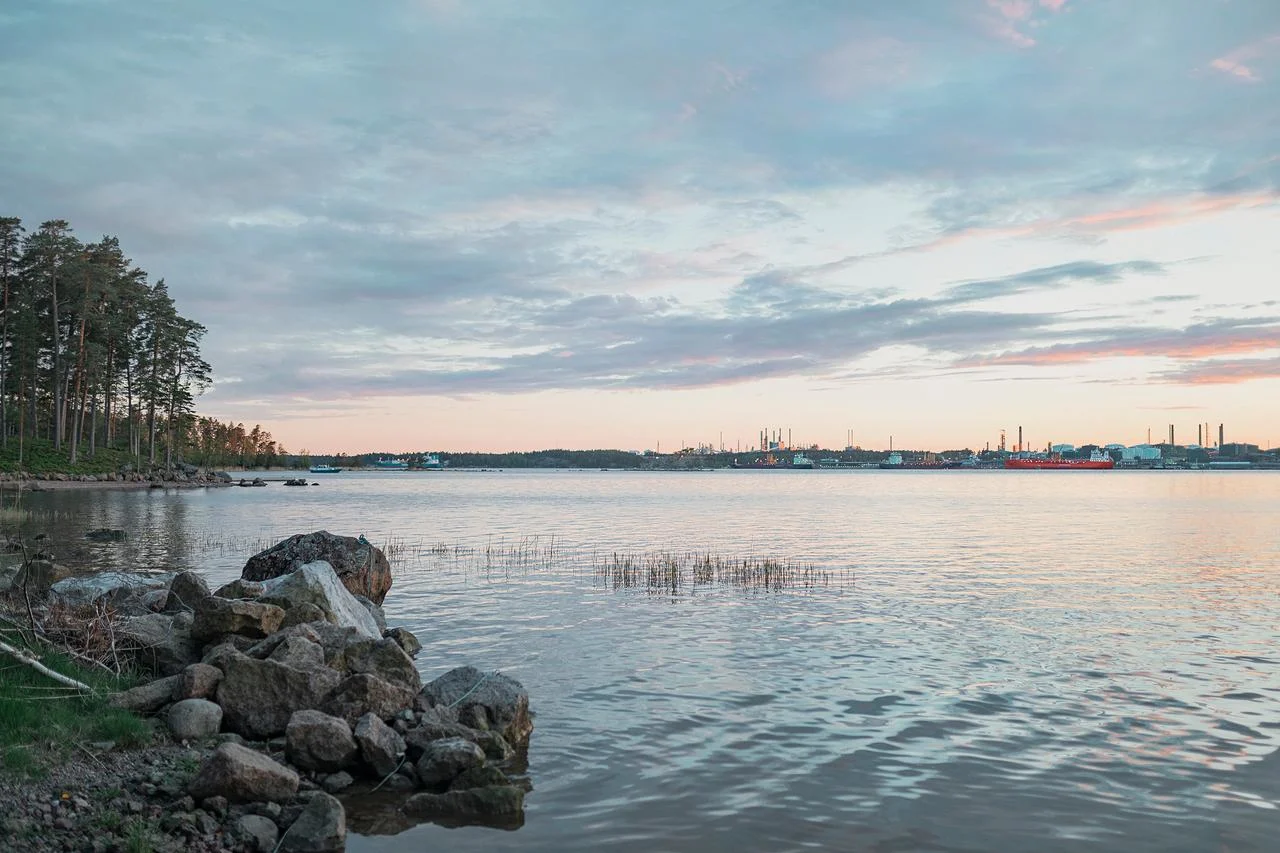
Our refineries are located next to waterways. Porvoo refinery is located close to natural habitats. Therefore our environmental monitoring is particularly systematic at the Porvoo refinery.

Deforestation risk in our supply chain
Neste’s commitment to managing deforestation risk is built on a foundation of regulatory compliance, such as the land-use criteria of the EU RED and US EPA RFS. For high-risk raw materials, we supplement these requirements with voluntary initiatives. This effort is regularly evaluated by a non-profit CDP, among others. Read more: Traceability information on Neste’s PFAD supply chain Supplier engagement Traceability and PFAD dashboard
Share this